See the broader product range
Compare options for tone, texture and overall visual character. Keep a short list of what you like and dislike so a new sample does not restart the selection process.

Lakeland Home Flooring · Haines City, FL
The character of a wood floor comes from more than its stain color. Plank width, grain, texture and the arrangement of boards shape the finished room. Explore engineered wood for your Haines City home with samples and a materials-plus-installation estimate from Lakeland Home Flooring LLC.
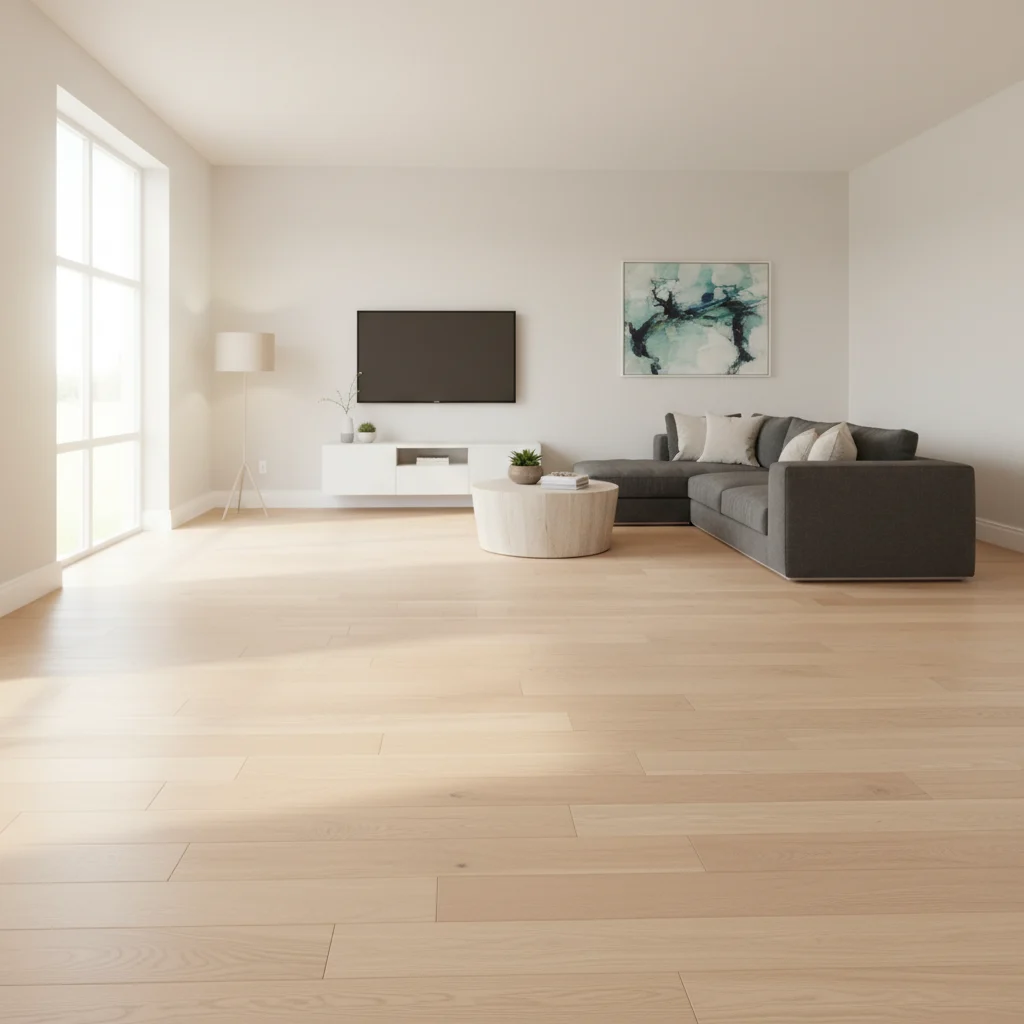
Two floors described as natural oak can have very different personalities. One may have quiet grain and a restrained surface; another may show stronger movement, knots or contrast. The right choice depends on the appearance you want across an entire room, not which sample looks most interesting by itself.
We offer free in-home estimates so you can compare flooring alongside the furniture, wall colors and lighting that will surround it. Learn about engineered wood construction, then use the sample visit to narrow the visual choices. We also discuss the room layout and supporting installation work before the selection becomes an order.
The surrounding details influence how the finished wood floor feels within the home. Include them in the comparison from the start.
A few deliberate comparisons make selecting wood easier than reviewing every possible color without a plan.
Decide whether you want the floor to feel calm, textured, light or dramatic. Show us reference images as a description of your taste, while recognizing that photography and screen settings can change how colors appear.
Place options in the main sightline and in the rooms connected to it. Compare them from standing height, near existing finishes and under different lighting before deciding which characteristics work throughout the project.
Discuss board direction, included rooms and connection details with the actual floor plan. Review removal, preparation, furniture needs and trim along with the selected material before installation is arranged.
Width changes the rhythm of the floor. A broader plank creates fewer parallel lines across a given distance; a narrower format introduces a different visual pattern. Neither is automatically correct for every large or small space. Doorways, room proportions and the amount of visible flooring all influence the result.
Look beyond one room when choosing. A width that appeals in an open living area will also pass through the hall and other included spaces. Ask about the product’s available dimensions and installation requirements rather than assuming any style can be ordered in any format. Keeping those practical limits in view helps narrow the selection to products that can support the intended layout.
Real wood has variation, and the product’s intended character range matters. A single sample cannot show every board you may receive. Ask for a representative view of the selection and discuss whether knots, contrasting grain or lighter and darker boards are part of the look.
If you prefer limited variation, make that preference explicit. If you enjoy a more expressive floor, consider how it will interact with patterned rugs, cabinetry or other wood furniture. The point is to choose the variation you want, rather than expect every installed board to match one favorite sample. Our flooring selection can help frame the options before the home visit.
Surface sheen and texture affect how light interacts with the floor. Compare options near windows and under the lighting you use in the evening. A finish that looks subtle close up may feel different across a broad area, particularly when viewed along a long hallway.
Board direction is another conversation to have before installation. The layout, substrate and product instructions can constrain the options, so a preferred visual direction is not the only consideration. Discuss the dominant sightlines and adjoining rooms, then review a practical layout. This gives you a chance to understand the proposed result before material is cut and avoids relying on a universal rule about laying boards toward a window.
When narrowing your choice, compare a restrained option and a more expressive one against the same furniture and wall finishes. Ask yourself whether the floor should be the main visual feature or a quieter background. Repeat that comparison in the rooms included in the project so a preference based on one bright corner does not determine the entire home. Write down the features you prefer, including texture and grain, so the final selection remains grounded in those observations.
Customer reviews
Quotes can differ because they specify different wood products, preparation work or installation methods. Compare the exact flooring construction, quantity, adhesive or underlayment requirements, removal scope and trim. Check whether the estimate includes moisture-related preparation or leaves it as an allowance. Similar-looking samples do not guarantee comparable projects, so request matching scopes before deciding which proposal offers the strongest value.
Engineered hardwood offers a real wood surface with a layered construction that generally moves less than solid wood. Solid hardwood can provide more opportunities for sanding over its life. The right purchase depends on your substrate, moisture conditions and maintenance priorities. Compare approved installation methods and the usable wood surface of actual products instead of treating either category as universally better.
Look beyond board thickness to the usable wood surface, finish, installation requirements and written warranty. Ask whether the product may be recoated or refinished and what limits apply. Longevity also depends on keeping indoor conditions suitable and following the care instructions. A purchase decision based on those details is more useful than accepting an unsupported lifespan promise for the whole category.
Dogs do not automatically rule out engineered wood, but claws, grit and spills deserve consideration when choosing the product. Ask about the wood species, finish and care requirements, and expect to use protective measures rather than rely on a scratch-proof promise. If visible wear would bother you, compare the selected wood with other suitable flooring before committing to the installation.
Some engineered wood products allow installation over concrete using a specified system. Approval depends on the particular flooring, slab conditions and required moisture measures. Before purchasing, ask the installer which method is permitted, how the concrete will be evaluated and what preparation is included. Treat flooring and its installation system as one purchase rather than selecting planks first and resolving the base later.
Arrange a free in-home estimate in Haines City to compare engineered wood and discuss a coordinated layout. Lakeland Home Flooring can review the materials, installation and finishing work with you at 863-380-2445.