Prepare the supporting surface
Review the existing substrate, moisture considerations and the requirements of the selected wood flooring system. The installation method should follow the product and site conditions rather than a default assumption.

Lakeland Home Flooring · Central Florida
Engineered wood brings a real wood surface to your flooring project, with grain and character that deserve to be seen in person. Selecting it means thinking beyond a stain color. We help you compare the appearance, construction, finish and installation requirements before planning the replacement across your home.
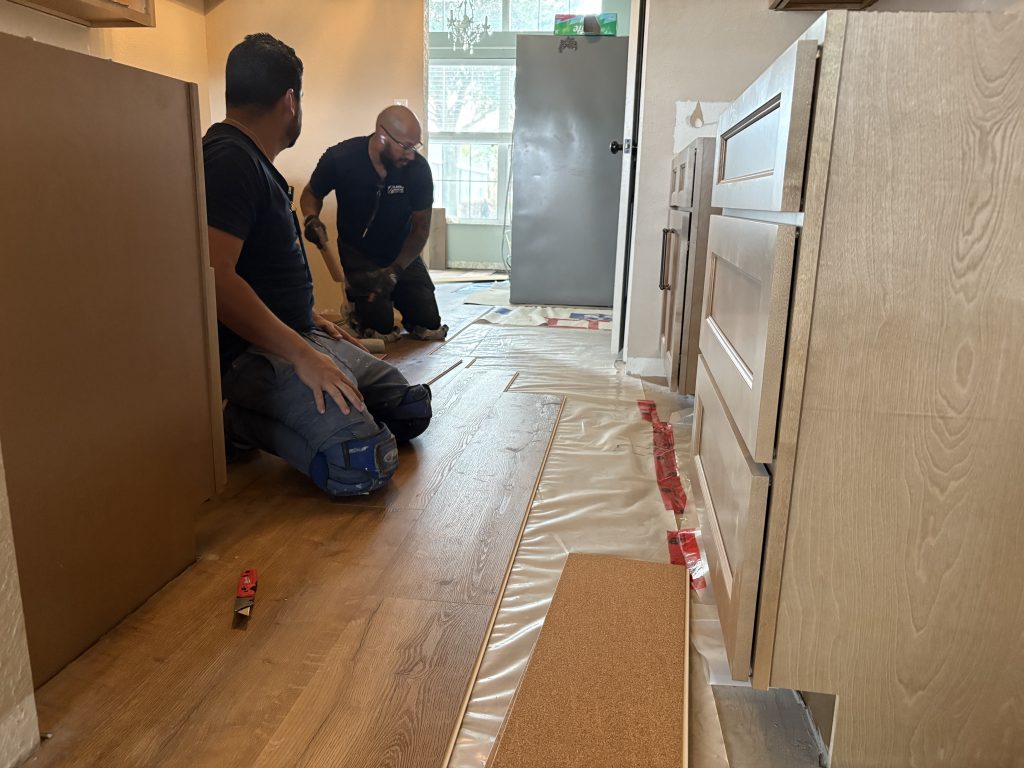
Some homeowners want quiet, consistent grain; others enjoy knots, contrast and a more varied appearance. Engineered wood offers a real wood top layer, so natural differences are part of the selection. A sample should help you understand that character rather than create an expectation that every board will be identical.
Compare the wood beside furniture, cabinetry and any other wood tones staying in the home. Consider sheen and texture as well as color. Our product collection guide helps organize the shortlist, while an in-home estimate lets you judge the options where they will be installed. We supply flooring materials and installation and review the supporting work as part of the proposed project.
Natural appearance is one decision. These related parts of the project help turn that choice into a considered replacement plan.
A good conversation about engineered flooring includes what you see, what is underneath and how you intend to care for it.
Discuss species, tone, grain variation and surface texture using samples in your home. If you prefer restrained character or more visible natural features, say so before narrowing the choice to a color.
Ask about the veneer, finish and permitted installation methods for the exact collection. Connect those details with your room arrangement, existing substrate and expectations about cleaning or future finish maintenance.
Confirm the flooring identification, installation approach and agreed supporting work. Include removal, preparation, trim and furniture responsibilities, with any hidden conditions distinguished from work that can already be assessed.
The wood veneer is the real wood layer you see above the supporting construction. Ask how that layer is specified for the collection, particularly if future refinishing influences your purchase. Overall board thickness and veneer thickness describe different parts of the product and should not be treated as interchangeable.
Whether a floor can eventually be sanded depends on more than its original specification. Its condition, previous sanding, surface texture and manufacturer guidance all matter. Do not buy engineered wood on the assumption that every collection can be refinished repeatedly. Instead, understand the finish-care options for the selected product and keep its documentation. This gives you a more realistic long-term picture while leaving the final assessment of any future refinishing work to an appropriately qualified professional.
A wood color name cannot show the full effect of a floor. Board-to-board variation, knots, grain movement and the finish’s reflection all influence the result. Look at the sample both close up and from the entrance to the room. A strongly textured board may create a different mood from a smoother surface in the same general shade.
If you already have wood cabinets or furniture, a compatible tone may be more achievable than an exact match. Compare undertones and contrast under the lighting you normally use. Ask for a representative view of the collection’s variation rather than basing the decision on one unusually uniform board. Plank proportions also affect the visual rhythm across connected areas, so consider the hallway and adjoining rooms as part of the same design discussion.
Engineered wood may be offered with different approved installation approaches, but the correct method is specific to the collection and conditions. Ask which method is proposed and how substrate suitability, supporting materials and room use affect that choice. Moisture and indoor conditions remain important for a wood surface; engineered construction does not make those considerations disappear.
The preparation plan should explain the starting surface and any work needed before installation. Look at finished heights near existing tile, exterior doors and other fixed features. Discuss the care instructions early, including suitable cleaning products and any restrictions. Choosing a floor that fits the way you will maintain the home is just as important as choosing a wood tone that fits the furniture.
Customer reviews
The wood collection, plank dimensions, installation method and supporting work all influence the installed price. Two estimates may also treat adhesives, moisture-related preparation, removal and trim differently. Ask for the species, collection and construction details alongside a clearly described installation scope. That lets you judge whether a premium buys a wood feature you value or covers work missing elsewhere.
Engineered hardwood generally expands and contracts less than solid wood because of its layered construction. That can make it a useful option, but it still needs suitable moisture and indoor conditions. Compare the specific product’s approved substrate and installation method with your home. Choose based on those requirements and the real-wood appearance you want, rather than assuming engineered means moisture-proof.
Some engineered wood products are suitable over concrete when their installation instructions and moisture requirements are satisfied. The approved method, adhesive or underlayment, slab condition and indoor environment must work together. Ask the installer to identify the proposed assembly before ordering. A real-wood floor should be selected for the measured site conditions, not installed first with moisture questions left unresolved.
Some engineered floors can be refinished, but that possibility depends on the usable wood layer, floor condition, flatness and previous sanding. A thicker overall board does not by itself answer the question. If future refinishing matters to your purchase, request the collection’s veneer information and guidance now. Any eventual sanding decision still needs an assessment of the installed floor.
LVP offers waterproof product options and easy cleanup, which can be useful around pet bowls and occasional accidents. Engineered hardwood offers real wood character and possible future refinishing, but requires careful moisture management. Both can show scratches from grit, claws or furniture. Choose vinyl for its water-handling and care features, or wood for its natural surface, after checking the specific product’s limits.
Schedule a free in-home estimate to compare engineered wood samples. We can discuss the appearance you want and the installation decisions needed to bring that material into your home.