Evaluate the underlying surface
Review the base and moisture requirements before choosing an installation method or assuming the existing surface is ready for wood flooring.

Lakeland Home Flooring · Lakeland, FL
Real wood brings character that extends beyond a single sample. We help Lakeland homeowners compare engineered wood flooring with attention to grain, variation, finish, and the way the floor will age in daily use. Explore materials and installation during a free in-home estimate for your planned flooring replacement.
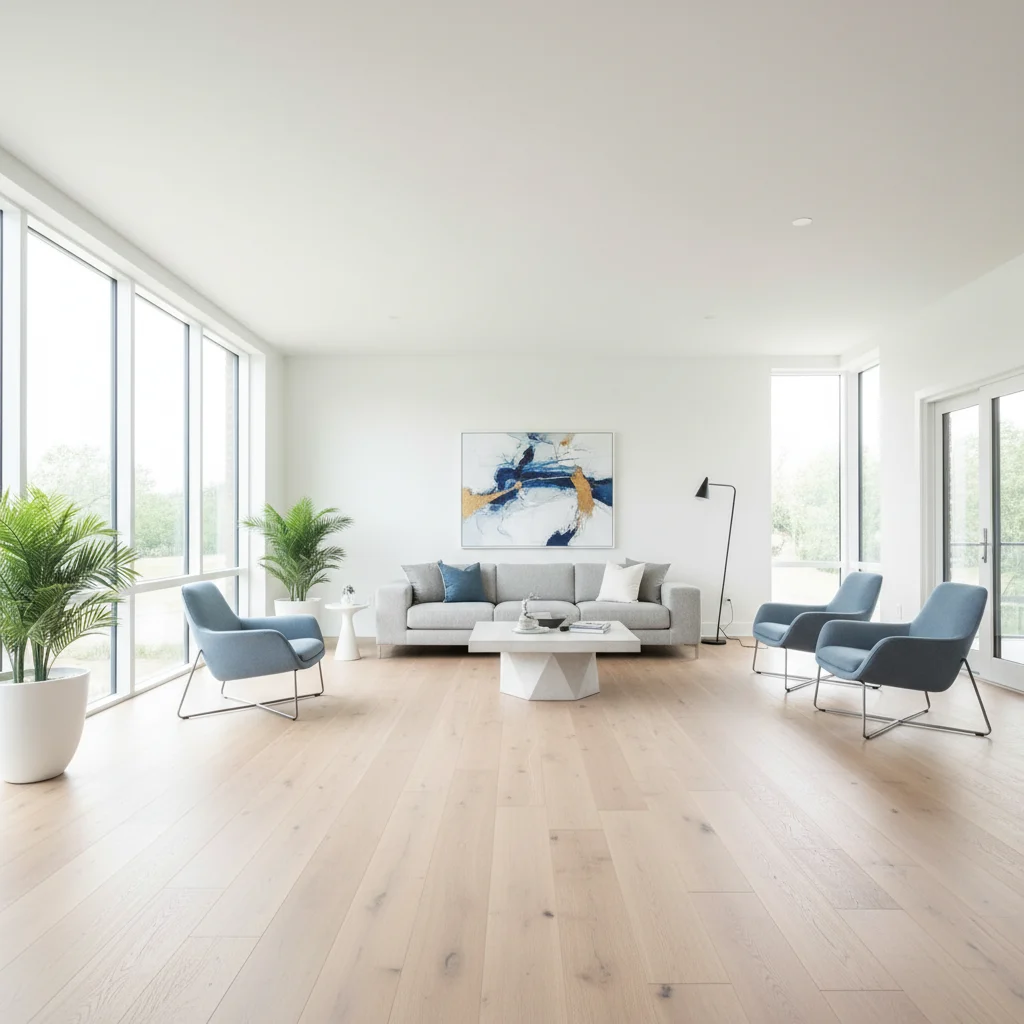
A wood sample is an introduction to a collection, not a picture of every board that will arrive. Grain patterns, color shifts, knots, and surface texture can give the finished floor a quieter or more expressive appearance. Understanding that range before ordering is especially helpful when the floor will connect several rooms.
Lakeland Home Flooring provides shop-at-home flooring selection, materials, and installation. Compare samples alongside the cabinetry, furniture, and light already in your Lakeland home. Our engineered wood flooring overview explains the category; your selection discussion should go further into the visible character and care expectations of the particular product you are considering.
Preparation and complementary details should support both the installation and the character you want to see.
Look beyond the first impression to the room conditions, everyday routine, and finish you will live with.
Share whether you prefer restrained grain or more visible natural features, and show the cabinetry and furnishings that need to work with it.
Compare samples and product information, including finish, variation, installation requirements, and care. Ask what a single board cannot show.
Discuss the substrate, indoor environment, preparation, and installation scope. Keep the manufacturer's instructions with your selection for future reference.
One sample may contain a grain pattern or tone you especially like, but a whole floor includes a broader mix. Ask about the collection’s described character and look at any available broader product imagery alongside the physical sample. Neither should be treated as a promise that every installed board will match one small section.
Consider how much variation your room already contains. Strongly patterned furnishings and several wood finishes may call for a different approach than simple cabinetry and plain walls. This is a design preference to resolve before ordering, not something to discover when the material is being opened for installation.
Sheen changes the way reflections read across a floor. Surface texture can change its visual character as well. Place samples flat and view them from standing height, with natural light and the lights you normally use. A finish you like when holding a board upright may feel different across an entire room.
Think about the effect you want rather than assuming one finish is universally best. Ask how the selected surface should be cleaned and maintained. A particular sheen or texture does not eliminate ordinary wear, and product appearance should be weighed alongside the routine you are prepared to follow.
Engineered wood is still wood. Its construction does not remove the need to follow product requirements for the underlying surface and the indoor environment. Discuss any history of moisture trouble and how the home is normally conditioned, including periods when it is unoccupied.
Our subfloor preparation service can be part of that planning discussion. Installation and conditioning instructions are product-specific, so avoid using a generic waiting period or humidity number as the entire plan. The selected flooring and actual site conditions should guide the requirements.
Ask for cleaning directions that match the finish on the selected wood. Removing loose grit, using suitable furniture protection, and attending to spills are practical habits to plan. Avoid experimenting with cleaning treatments based on advice intended for a different type of floor.
If future refinishing matters to your decision, ask about the product’s construction and the manufacturer’s guidance before buying. Engineered wood products do not all offer the same options. Treat a possible future restoration as a product-specific question, rather than an automatic benefit promised for every floor in the category.
Customer reviews
The selected wood, quantity and installation method form only part of the budget. Existing-floor removal, substrate preparation and finishing between rooms also need pricing. Compare proposals that name the same product construction and include the same installation areas. Ask about any preparation allowance before ordering; a lower material price does not necessarily produce a lower total for a completed wood floor.
Engineered hardwood has a real wood surface over a layered construction. That separates it from products chosen to reproduce wood’s appearance, such as laminate or vinyl plank. When comparing options, look beyond the printed color name to the surface layer, finish and manufacturer’s care requirements. Those details help you decide whether paying for real wood matches what you want from the floor.
Engineered construction generally moves less with moisture changes than solid wood, which can make it a useful option to evaluate. It still needs suitable indoor conditions and the correct installation approach. Compare the selected products against the home’s substrate and manufacturer requirements before buying. The choice should account for how the floor will perform in the house, not just how the sample looks.
Some engineered floors can be refinished, but the answer depends on their usable wood layer and condition. Previous sanding, surface flatness and the work needed also matter. If future refinishing influences your purchase, ask for the product construction details and a professional assessment of what is feasible. Do not assume every engineered plank can be sanded simply because its surface is real wood.
LVP is worth shortlisting when pet accidents and easy cleanup are your main concern. Engineered hardwood makes sense when you want genuine wood and can manage spills and wear carefully. Some wood floors can later be refinished; vinyl cannot be sanded to remove damage. For either choice, the actual finish, dog’s activity and tracked-in grit matter more than a pet-friendly label.
Book a free in-home engineered wood estimate in Lakeland. Compare samples in your surroundings and review the selection, preparation, installation, and care considerations before deciding on your new floor.