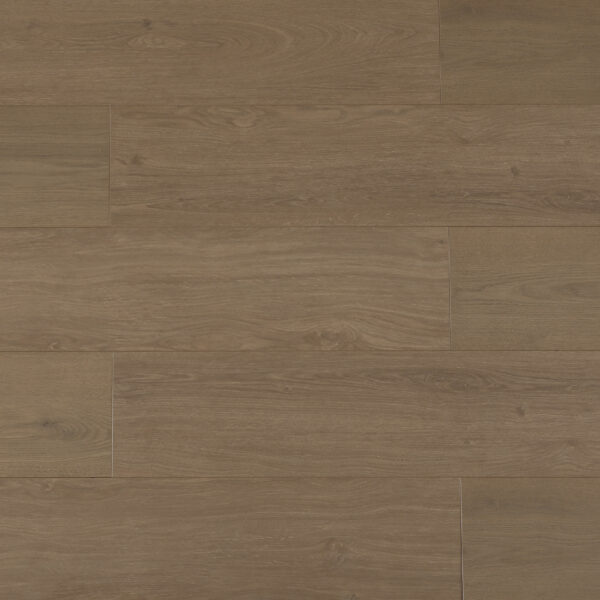
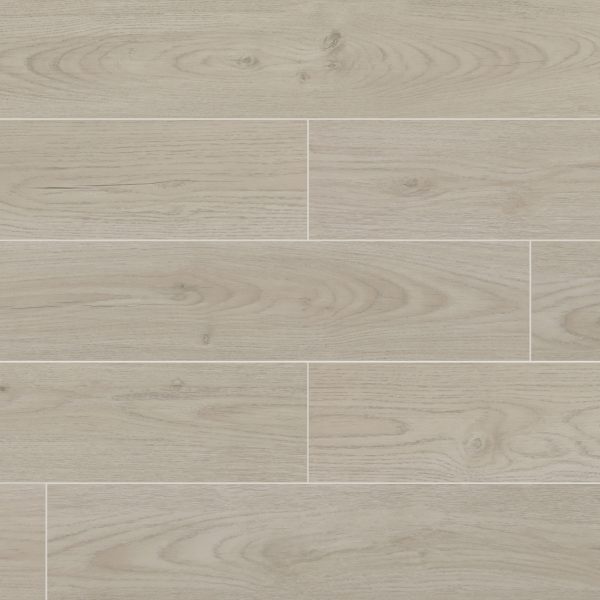
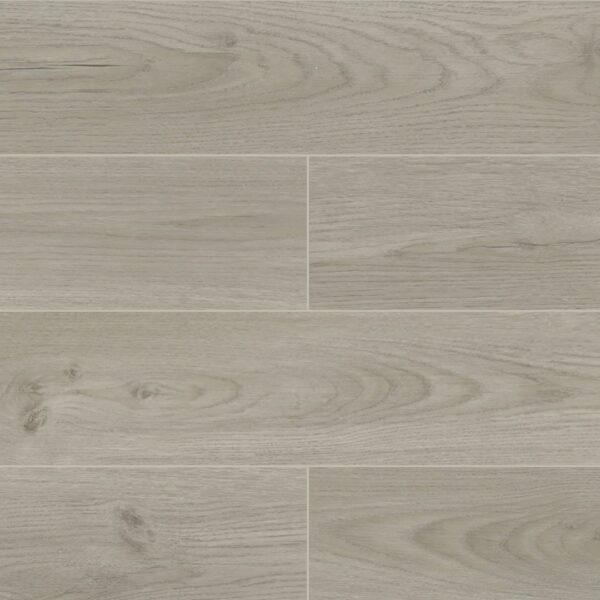
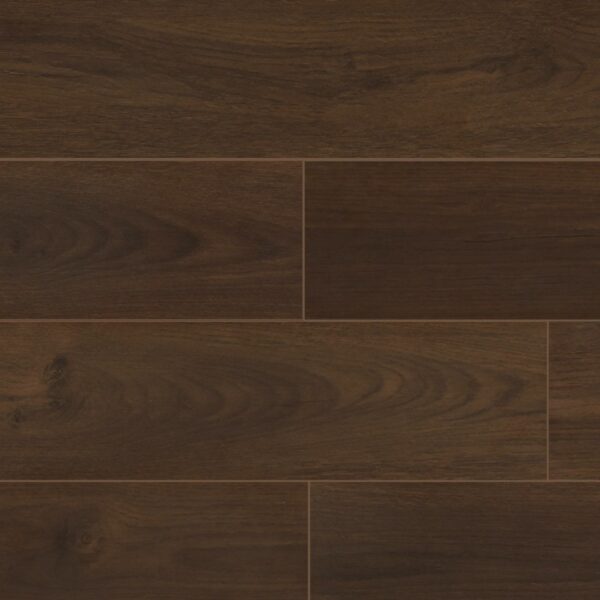
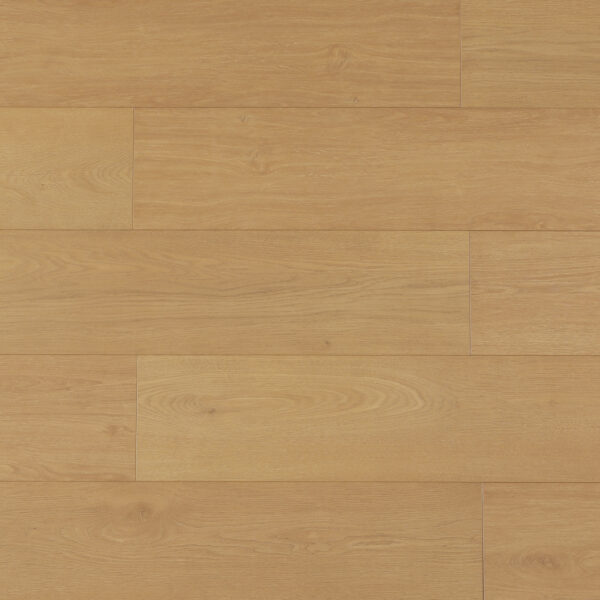
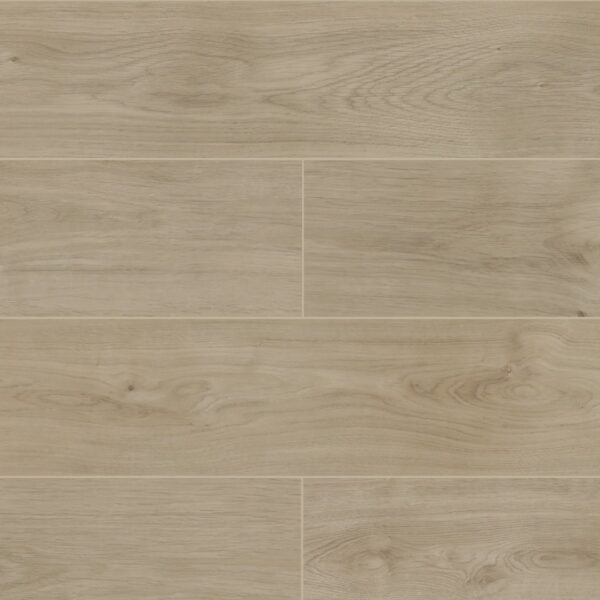
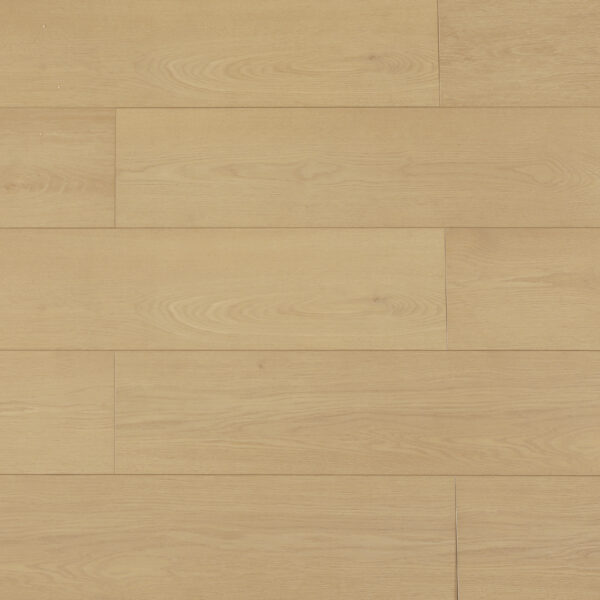
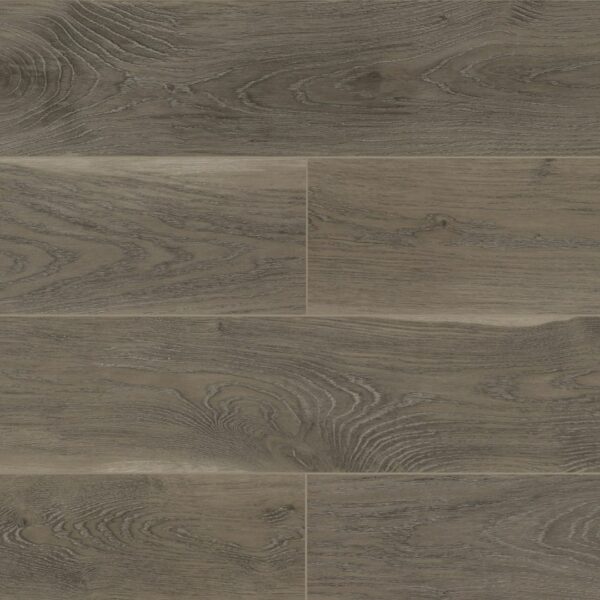
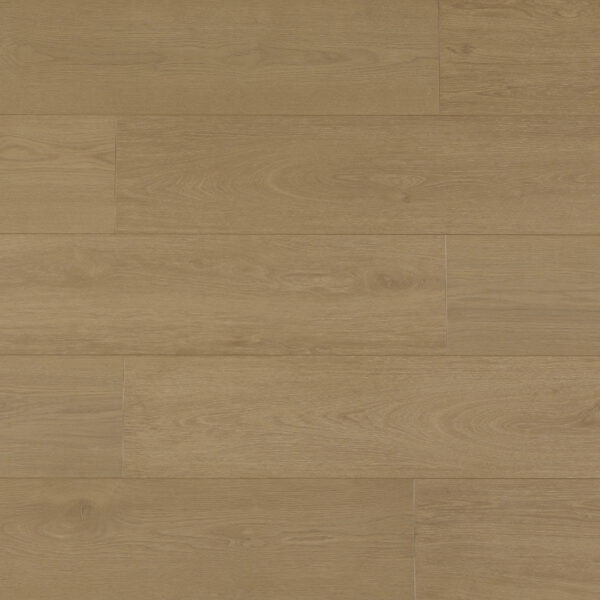
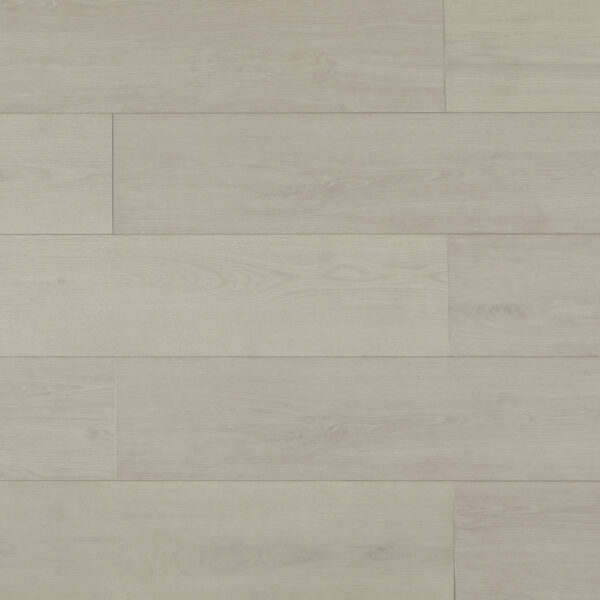
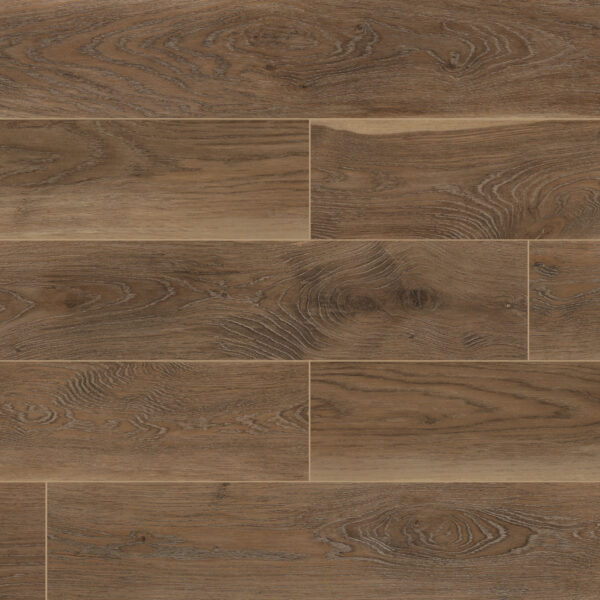
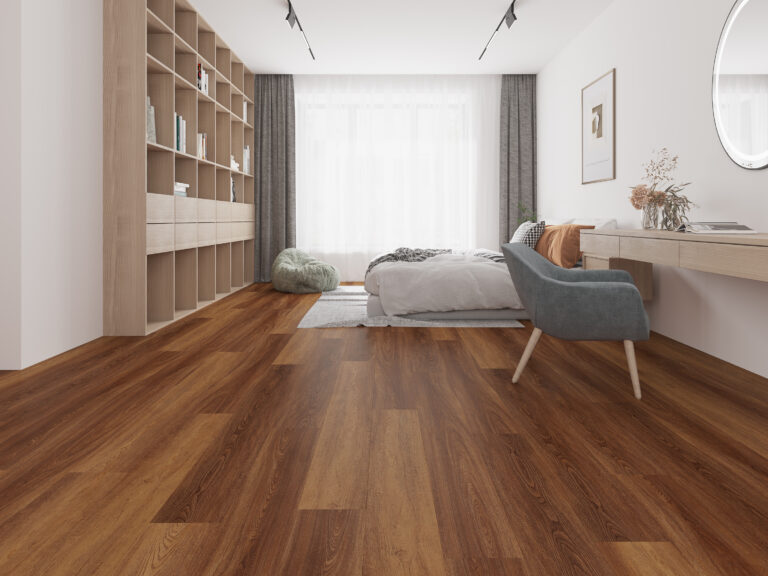
Luxury vinyl plank products
Separate the decorative appearance from the wear layer and overall construction. Compare dimensions, finish and installation requirements, and ask how the particular collection fits your planned rooms and routine.

Lakeland Home Flooring · Central Florida
Use the catalog to build a shortlist, then compare the details that matter in your home. Color, construction, dimensions and care requirements tell different parts of the story. Lakeland Home Flooring helps you move from product browsing to an informed material choice and a clearly defined installation project.
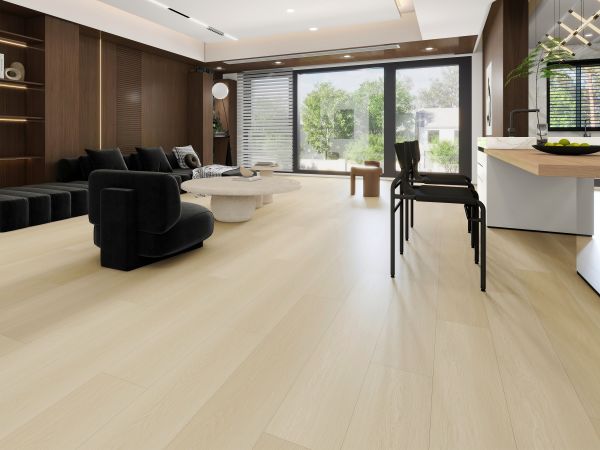
A useful shortlist is more than a group of colors you like. One option might offer the quieter grain you prefer, while another has a texture or plank proportion that suits your rooms. Write down why each collection interests you. That makes an in-home comparison more focused and helps you avoid choosing by a product name alone.
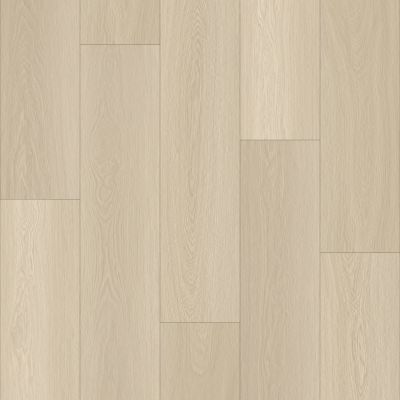
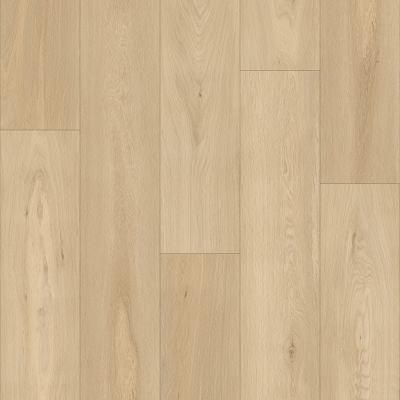
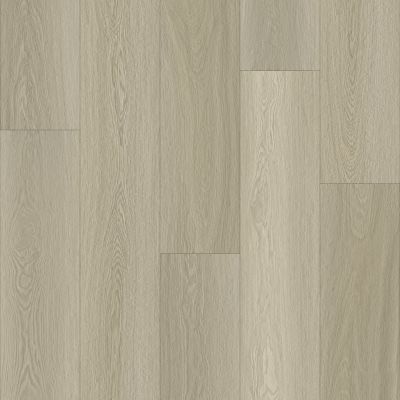
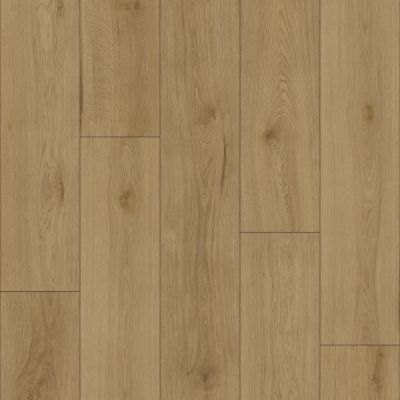
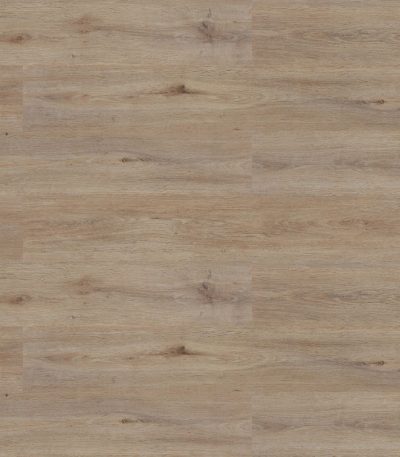
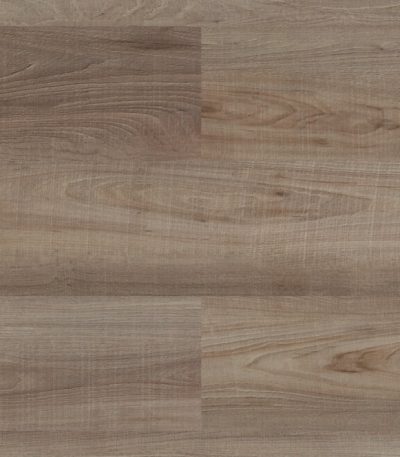
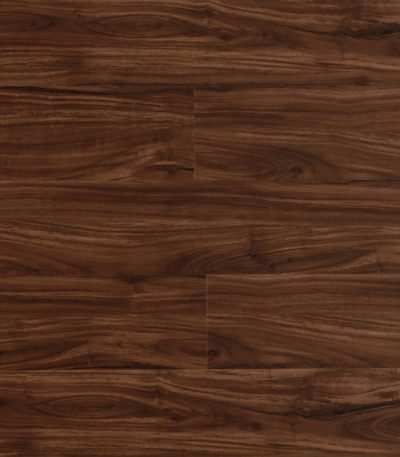
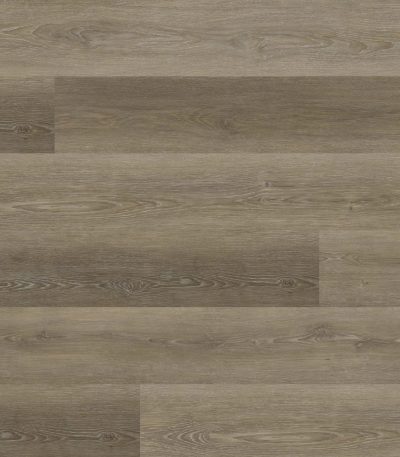
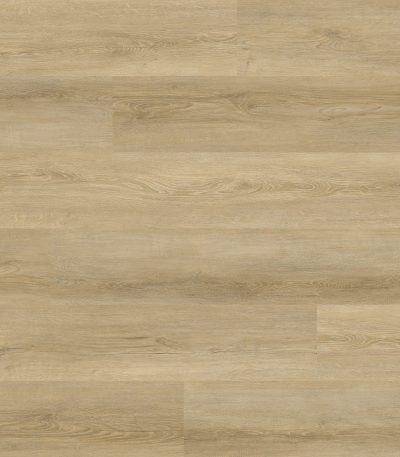
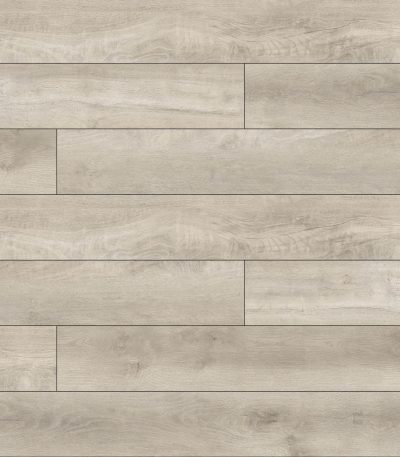
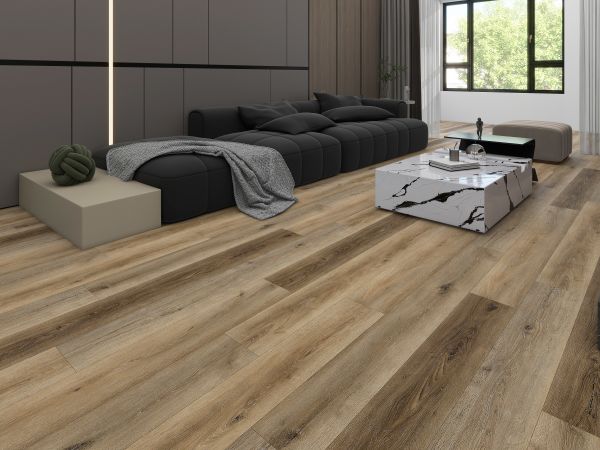
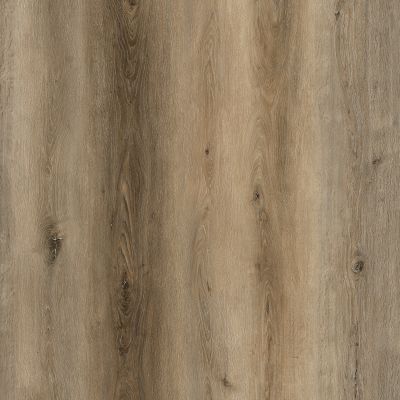
The catalog below lets you explore collections and color choices without reproducing every option in a long list. Availability and final specifications should be confirmed for the actual purchase. Once you have a direction, our flooring sales and installation overview explains how the material decision connects with the removal, preparation and finishing work in a complete replacement proposal.
Start with the surface you are considering, then use that category's important specifications to compare individual collections.
A few organized comparisons can make product selection easier than repeatedly starting over with a larger collection of samples.
Record the material type, manufacturer or collection name and color you want to discuss. A screenshot is helpful, but readable product identifiers make it easier to confirm that everyone is comparing the same option.
Place the shortlisted samples beside fixed finishes and view them under your usual lighting. Note the undertone, texture and variation rather than concentrating only on how one sample looks in isolation.
Review the current product details and the intended installation assembly. Ask about the selected color, coordinating pieces, quantities and written scope so the final proposal reflects the precise material choice and project.
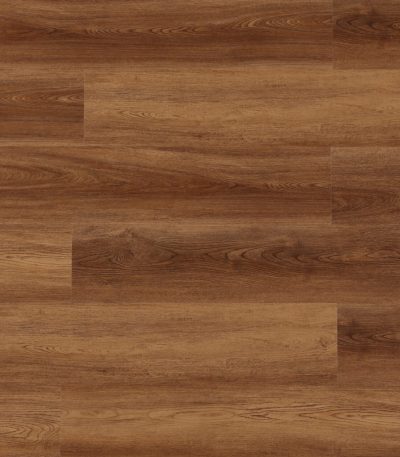
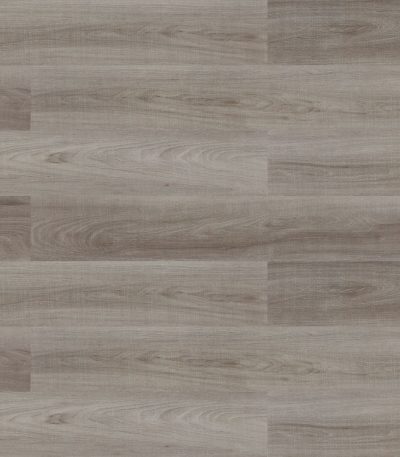
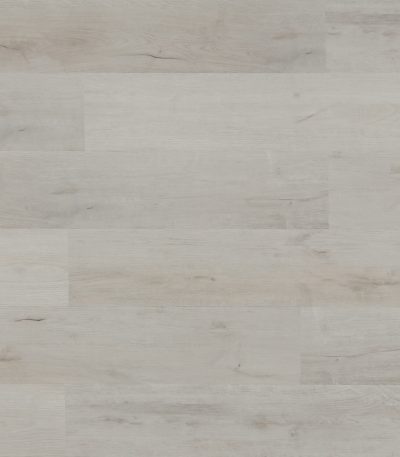
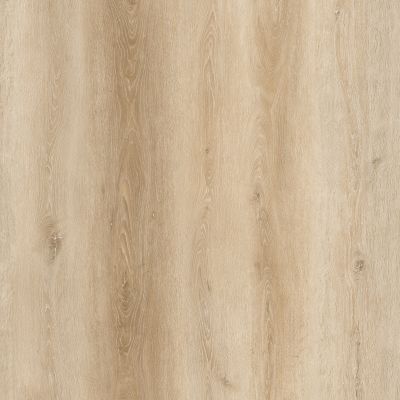
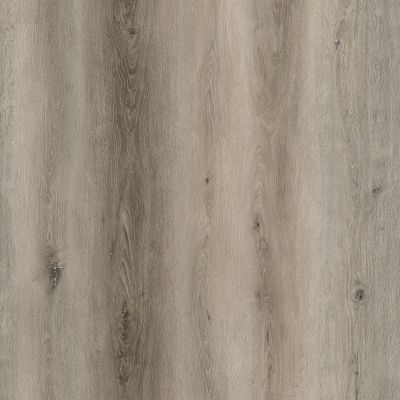
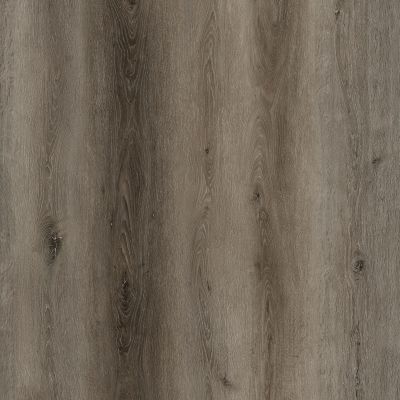
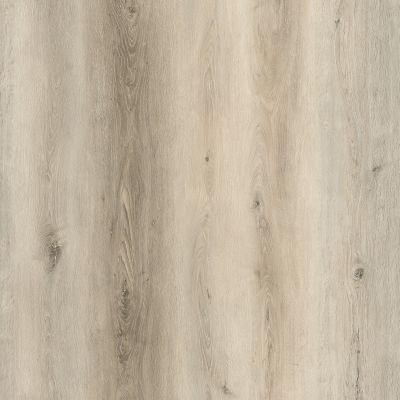
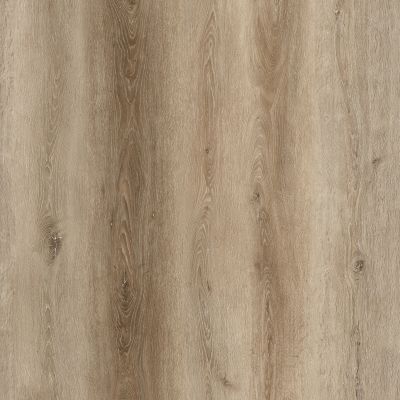
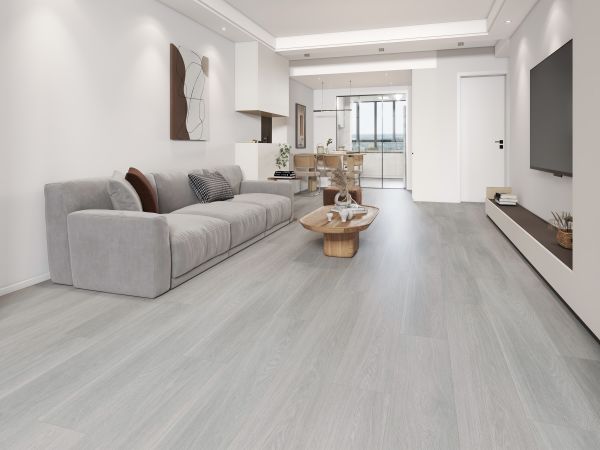
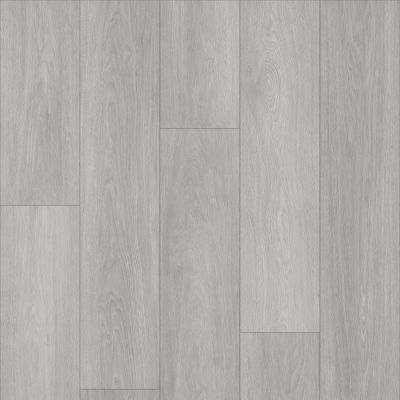
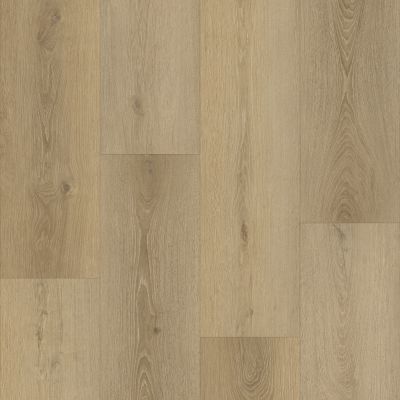
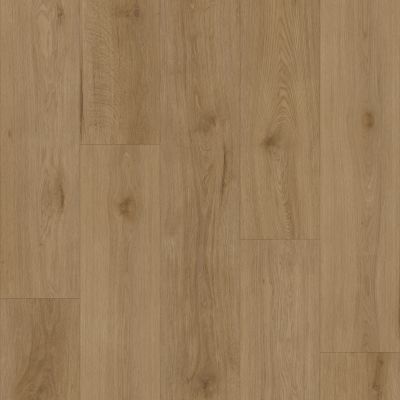
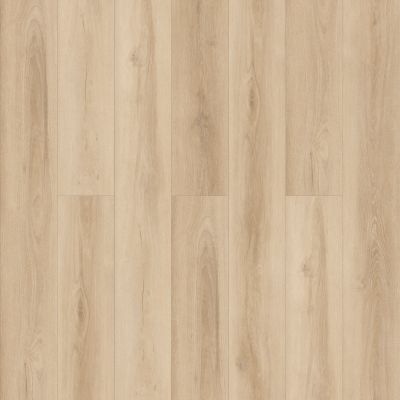
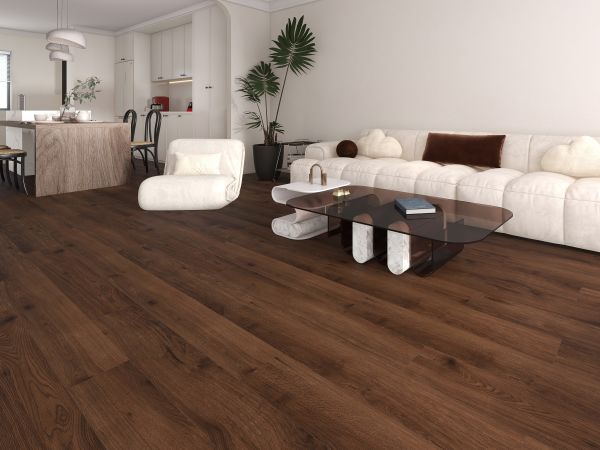
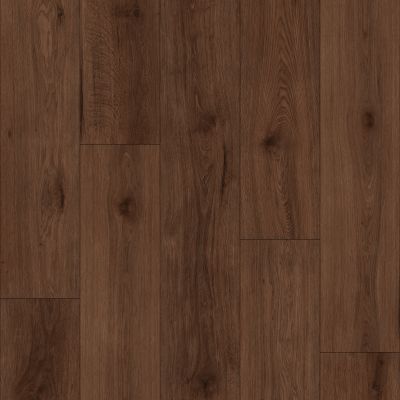
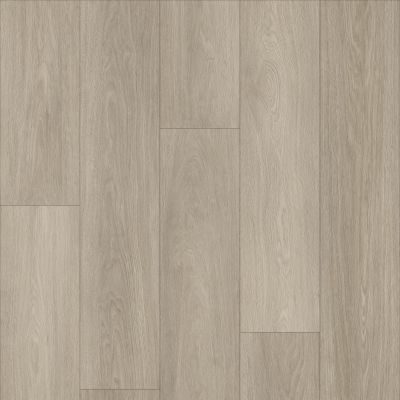
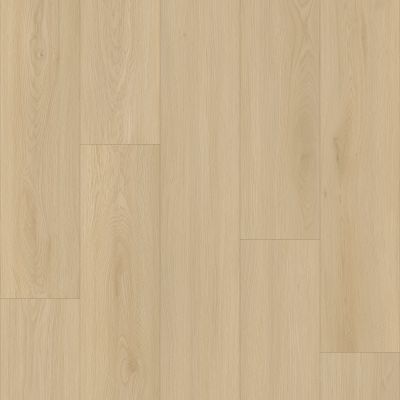
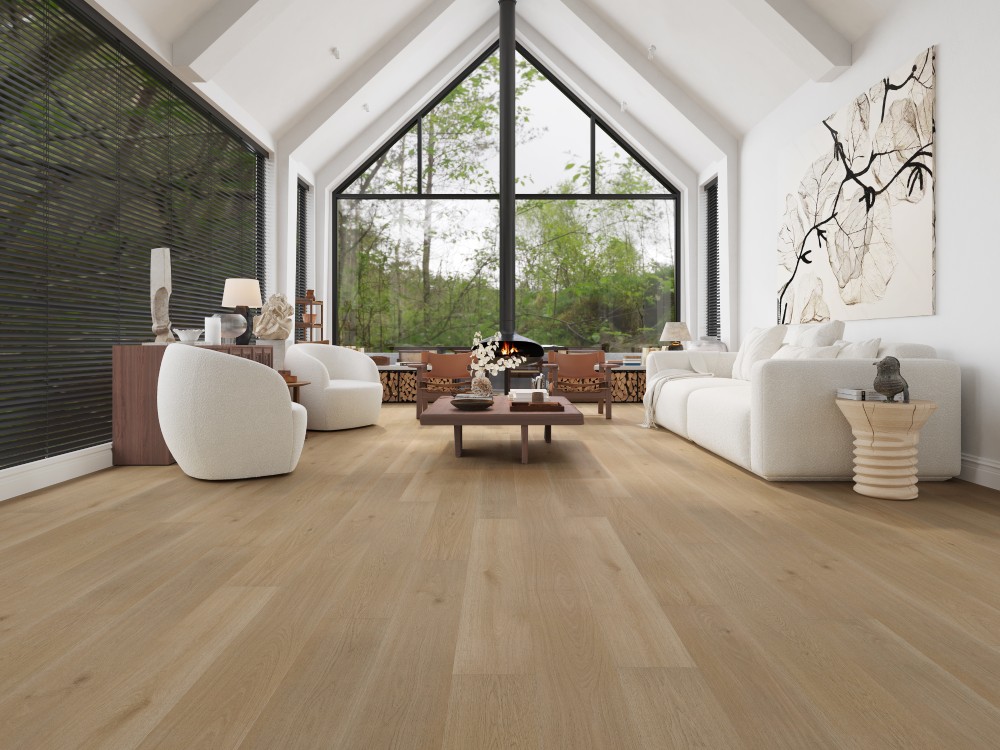
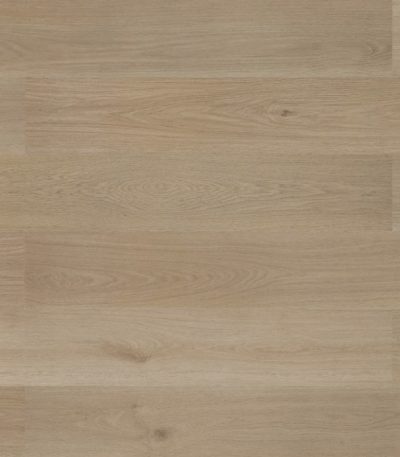
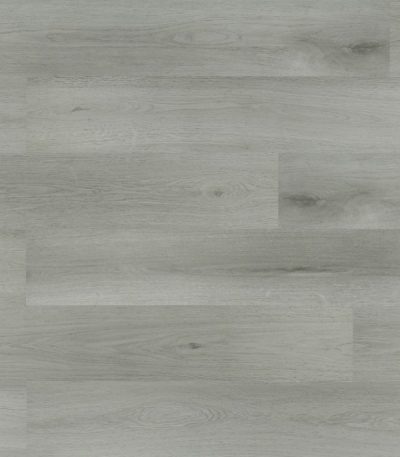
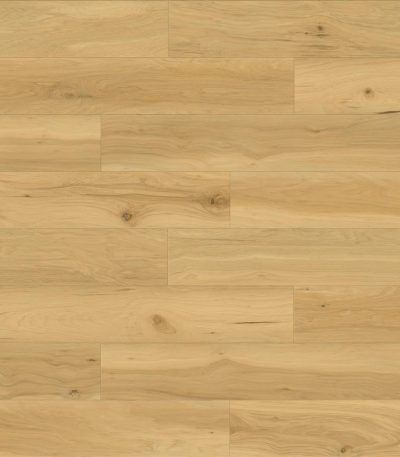
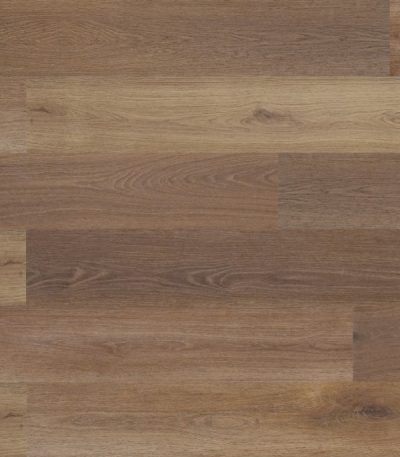
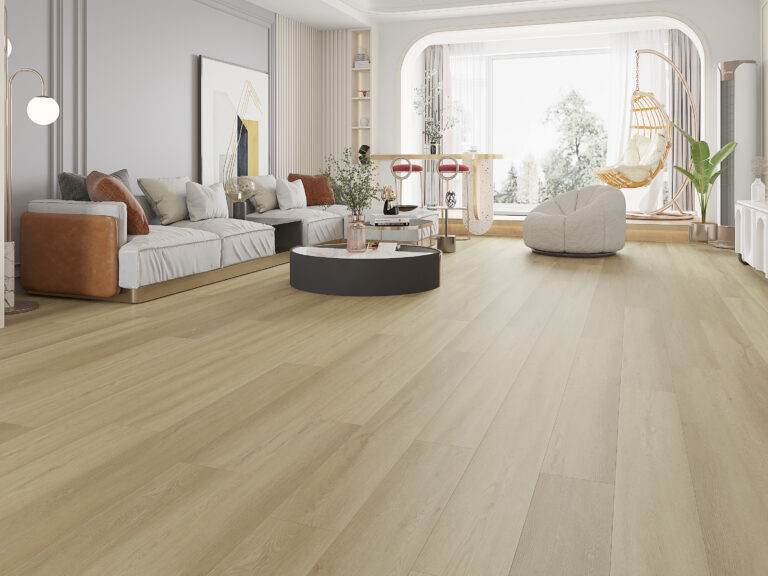
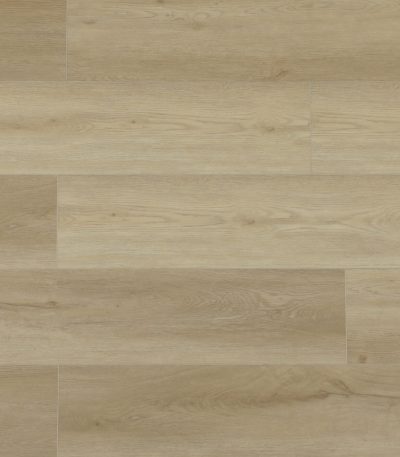
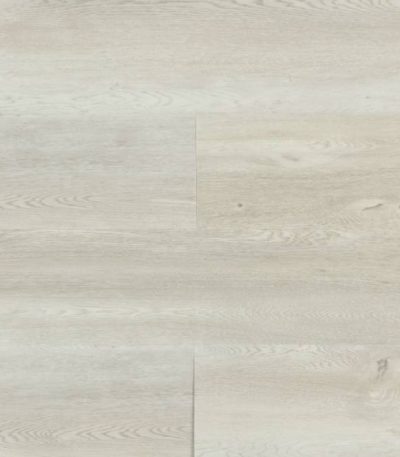
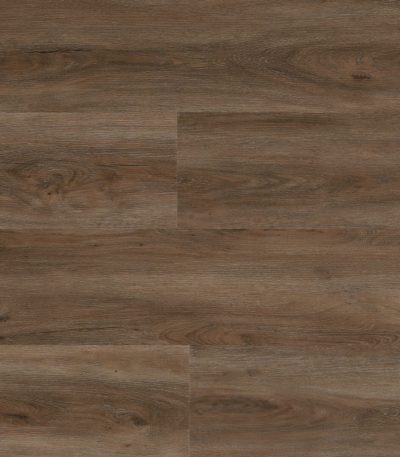
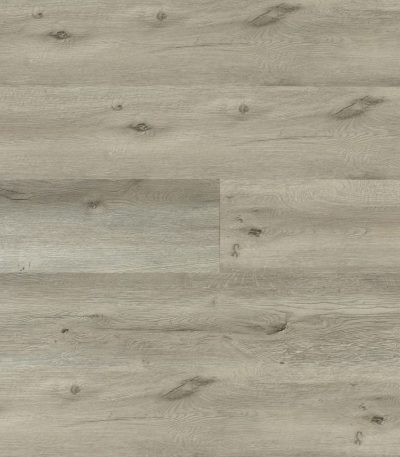
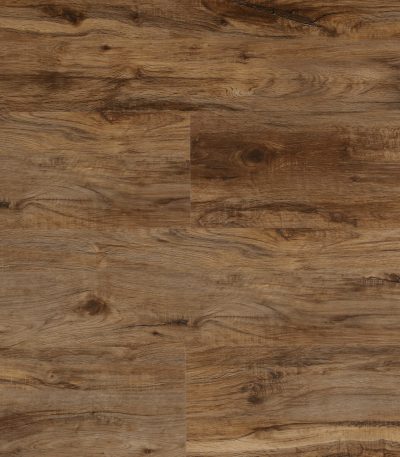
A color called natural, oak or gray can look quite different across collections. Those names do not establish an exact undertone or level of variation. Your screen settings and the photograph’s lighting also influence what you see, so use online browsing to narrow possibilities rather than settle a final match.
During an in-home comparison, place the sample flat on the floor and look at it from normal viewing positions. Compare it beside cabinetry, upholstery and adjacent flooring that will remain. Check the effect under both the available daylight and the lighting you use later. If two choices seem almost identical, ask which difference you would actually notice across the finished rooms. Sometimes the edge detail or surface texture matters more than the small color difference that first caught your attention.
Product pages may emphasize different measurements or features. Before comparing numbers, confirm what each one describes. Total thickness, wear-layer thickness and wood veneer thickness are not the same measurement, and their relevance depends on the type of flooring. A collection name or premium-sounding tier is not a technical specification.
Ask for the documentation behind the shortlisted products. Review intended use, installation requirements, care guidance and the applicable warranty terms together. If a claim matters to your purchase, find out exactly what it covers. There is no need to become a flooring technician; the aim is to understand the few distinctions that affect your decision. A useful comparison explains what changes between two options and why that difference matters to your particular replacement plan.
The approved product should be identifiable in the written proposal, including the collection and color. Confirm any coordinating transition pieces instead of assuming every accessory is an exact visual match. Quantities also depend on the measured areas, layout and necessary cuts, so the room’s approximate size is not the entire ordering calculation.
The material has to work with the supporting surface and the intended assembly. Our subfloor preparation guide explains why those requirements belong in the selection process. If you change products after reviewing an estimate, ask whether the preparation, heights or finishing details change too. Treat final selection as a clear approval point that connects the catalog item, installation method and written project scope rather than a casual color substitution.







Customer reviews
A displayed product price may cover material only unless installation is expressly included. The complete purchase can also involve ordering allowance, delivery, removal, preparation, fitting and finishing materials. Ask for a written installed total tied to the selected collection and measured project. That makes a catalog price useful for shortlisting without confusing it with the amount needed to complete your home.
Engineered hardwood buys you a genuine wood surface and, with some products, the possibility of future refinishing. Laminate gives a decorative wood look with a tough wear surface and no sanding maintenance. LVP offers vinyl construction, easy routine cleaning and waterproof options. Start with the feature that matters most, then check room approvals and installed prices for the actual products.
A higher price may pay for a particular appearance, construction or feature that matters little to your project. Compare identified products against the same requirements: approved use, installation method, maintenance and warranty terms. Include any difference in supporting work or trim availability. The better value is the suitable floor with a clearly understood installed scope, not simply the highest or lowest product price.
For frequent spills, start with waterproof LVP or floor-rated tile; tile adds grout care, while vinyl needs protection from scratching and dents. Laminate is also worth considering for a durable surface, provided its water protection covers the intended rooms. Treat scratches and water as separate questions: a waterproof claim says little about claws, grit or moving furniture across the finish.
Compare what is covered, the exclusions, required maintenance and the process for reporting a problem. Establish whether coverage concerns the product, installation workmanship or both, and ask who handles each responsibility. Keep the exact collection information with your estimate. A long warranty headline is less informative than knowing whether the issue you are concerned about falls within its actual terms.
Choose the products that interest you, then request an in-home estimate. We can compare samples in your space, explain meaningful differences and connect the final selection to your flooring project.