Browse colors with a purpose
Use the product catalog to shortlist undertones and grain styles. Then compare samples against your cabinets and lighting instead of trying to settle the final color from a screen.

Lakeland Home Flooring · Central Florida
Laminate can offer a detailed wood appearance with a practical protective surface, but collections differ in the conditions they are designed to handle. Compare the look, room-use guidance and cleaning requirements together. Lakeland Home Flooring brings samples to your home and helps plan the materials and installation for your replacement.
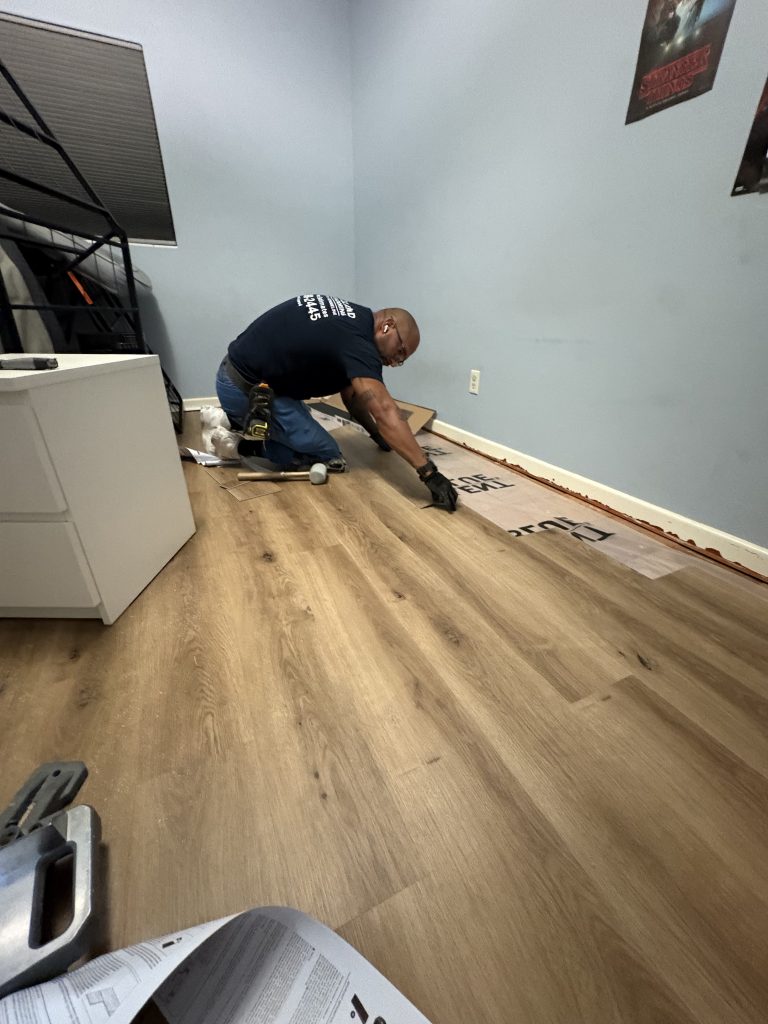
Think about what reaches your floor during an ordinary week: grit by the entry, chairs at the table, pet bowls, damp shoes and the cleaning products you prefer. Those details help you ask better questions about laminate than simply looking for the toughest-sounding label.
The decorative layer gives laminate its wood look; the protective surface and underlying construction have different jobs. Product claims about wear or water should be read within their actual terms. During your estimate, compare the sample appearance with the collection’s written guidance. If moisture exposure is a central concern, also consider luxury vinyl plank options so the decision reflects both your preferences and realistic product limitations.
The selected collection is one part of the plan. These related choices help put its appearance and requirements into context.
Use the in-home visit to connect the sample you like with the conditions and responsibilities of the installation.
Explain where you expect heavier traffic, routine spills and moving chairs. Point out any known water issues. These examples help focus the selection on the intended use of each connected area.
Compare grain, sheen, plank size and edge detail in the actual rooms. Ask which water claims apply, which cleaning methods are allowed and whether the intended layout meets the product's installation guidance.
Review the material identification and the removal, preparation and finishing work in writing. Include furniture and access arrangements, and clarify how anything discovered beneath the current flooring will be addressed.
Wear information can help compare suitable uses, but it should not be read as a promise that a floor cannot be marked. Abrasion, scratches, dents and water exposure are different concerns. Ask what the actual collection is designed for and what its warranty covers rather than treating one rating as a summary of every risk.
Appearance also affects how everyday debris and marks are noticed. Strongly glossy, very dark or very uniform looks may behave differently visually from a textured mid-tone sample. That is a design comparison, not a guarantee that one floor stays clean longer. View the shortlisted finishes from a normal standing position and under your usual lighting. Choose a look you enjoy with a care routine you are willing to follow throughout the home.
Terms such as water-resistant or waterproof need the context of the specific product’s documentation. Look for the covered situations, room restrictions, perimeter requirements and cleaning instructions. A surface-spill claim should never be assumed to cover leaks, flooding or moisture originating under the floor.
Talk about the practical exposure in the rooms you want to connect. A pet drinking area, exterior entrance and kitchen may present different concerns even within the same home. If previous damage is visible, finding the cause is a separate task from selecting the new material. Subfloor assessment and preparation help define a suitable starting point. A well-informed selection acknowledges the limits of the chosen laminate instead of relying on a broad advertising phrase to answer every water-related question.
Before approving a product, read how it should be cleaned and which tools or treatments are excluded. If your existing routine depends on a method the manufacturer does not allow, decide whether you will change that routine or choose a different material. It is better to make that decision while comparing samples.
Supporting layers deserve the same attention. An attached pad, separate underlayment or moisture-related layer must be compatible with the selected collection and site conditions. More padding is not automatically an improvement. Include the planned assembly in the installation discussion, along with transitions and perimeter trim. Once installed, keep the product details and care instructions accessible. They make future cleaning, warranty questions and matching leftover material much easier than trying to identify a floor from its color alone.
Customer reviews
A complete laminate proposal should identify the chosen collection, measured installation areas, required underlayment and agreed labor. Removal, subfloor correction, transitions and baseboards need their own clear descriptions rather than an assumption that they are included. Compare the finished project price after those items are aligned. Also ask whether the estimate accounts for doorway clearances and the selected product’s expansion requirements.
Waterproof LVP is a practical kitchen option because of its vinyl construction and straightforward spill cleanup. Water-rated laminate can also work, bringing a hard decorative surface and strong wear resistance, but its wood-based construction makes the specified water protection important. Check kitchen approval, edge sealing and leak exclusions for either finalist. Neither choice makes an active appliance leak safe to ignore.
It can be possible if the laminate manufacturer allows that assembly and the existing tile meets its substrate requirements. Loose tiles, raised edges and grout depressions need assessment, and approved underlayment may be required. An installer should also review the extra height at doorways and appliances. The useful comparison is a properly prepared overlay versus removal, not simply skipping demolition.
Those events may receive different treatment in the product warranty. A laminate collection can cover specified surface spills while excluding flooding, excessive plumbing leaks or moisture from below. Pet-related coverage also needs checking separately. Review the exact collection’s terms and installation conditions before buying, especially around bowls, appliances and exterior doors. Waterproof branding alone does not describe every situation the floor can encounter.
The disruption includes clearing work areas, removing unsuitable flooring, preparing the base and fitting planks and trim. Product delivery and any required conditioning or drying must fit the schedule too. Ask which rooms can remain accessible and who moves furniture between stages. A written sequence tied to your floor plan is more useful than a general promise about square feet per day.
Arrange a free in-home estimate to compare laminate samples and discuss the practical requirements behind them. We will help you connect the material choice with a clear installation plan.